What heart rate variability is
Your heart does not beat like a metronome. The time between one beat and the next changes slightly, beat to beat. Heart rate variability, or HRV, is a measure of that variation.
A flexible, variable rhythm is generally a healthy sign. Research over several decades links higher HRV with greater physiological resilience, steadier emotional regulation and faster recovery from stress. Lower HRV than your usual tends to show up when you are under strain, short on sleep, unwell or worn down.
HRV is personal. Age, fitness and genetics all move it, so the useful comparison is you against your own normal, not against anyone else.
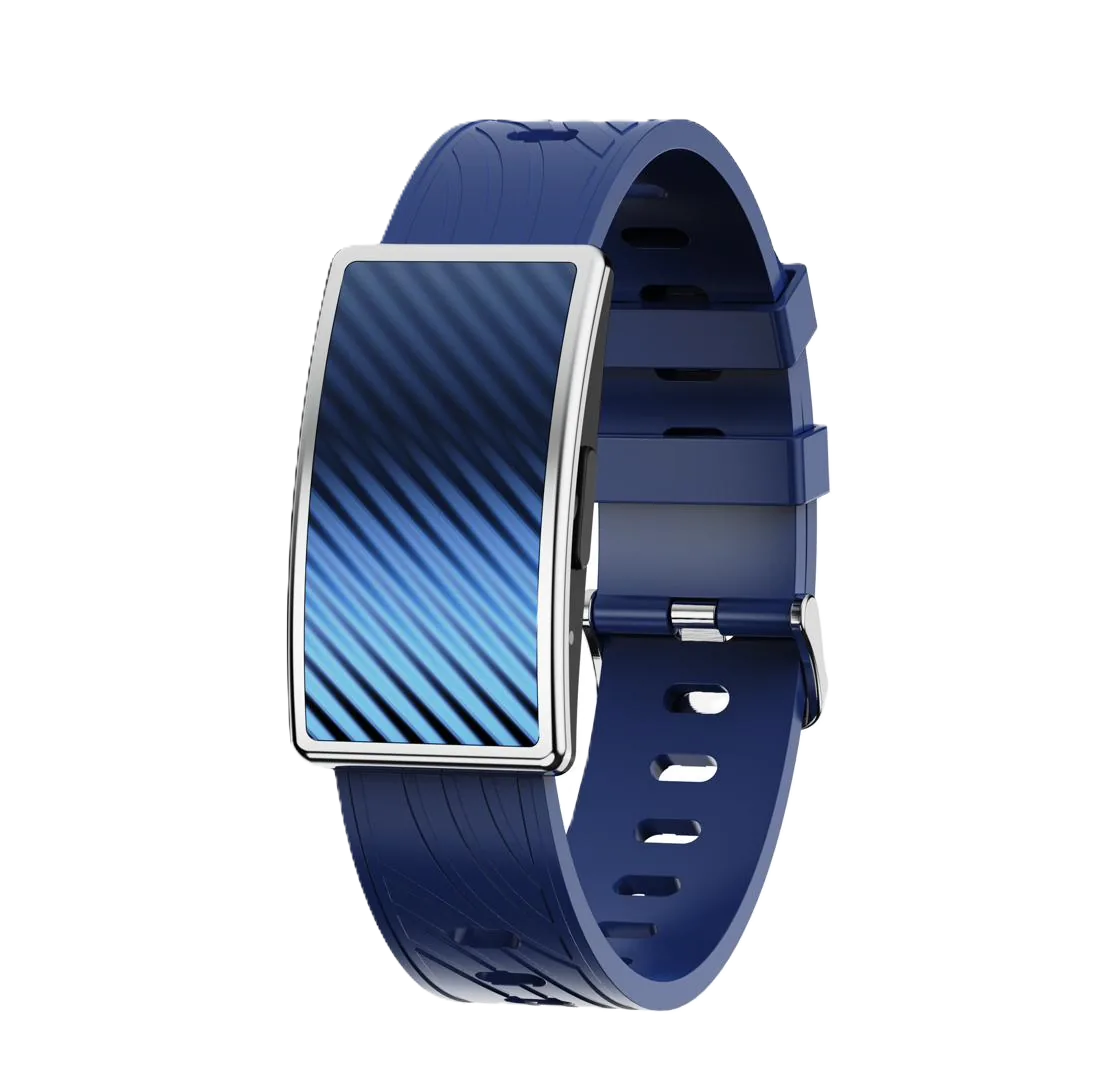
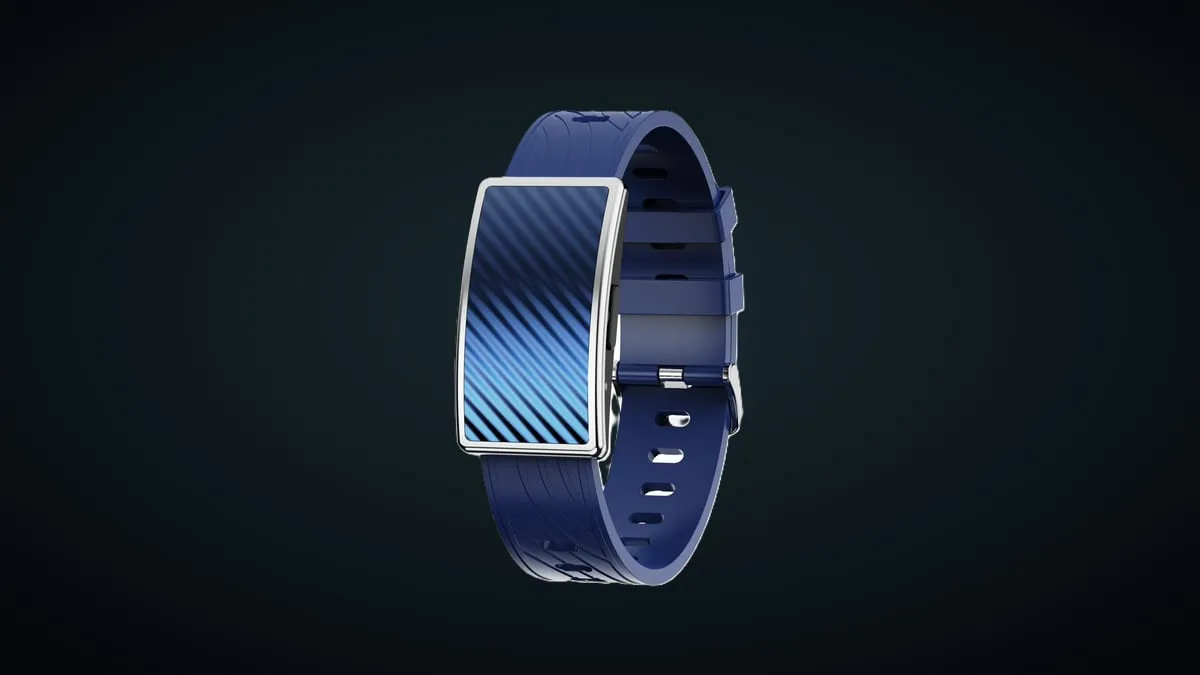
How the NUIRA Band tracks HRV
- In the background, through the day and night, so trends build without you doing anything.
- On demand during resonance sessions, roughly every three minutes, with a baseline at the start and a summary at the end showing what changed in your heart rate and HRV.
- Read alongside sleep, respiratory rate, skin temperature and activity, so a low reading comes with context rather than alarm.
If you track your cycle, Awen reads your HRV in the light of the phase you are in, so a lower reading is context rather than worry.
Why tracking HRV is only half of it
Knowing your HRV dropped is useful. Knowing what to do about it is the point. Breathing is the lever you can move HRV with, and slow paced breathing at around six breaths a minute is one of the best studied ways to do it.
That is why resonance breathing sits at the centre of the NUIRA app. The session breathes with you at 0.1 Hz, measures while you breathe without showing you numbers mid-session, and shows you afterwards where you started and where you finished.
Reading your own numbers
Look at the trend, not the single morning. One low reading after a late night says little. A baseline drifting down across a couple of weeks while strain builds says more, and is a good prompt to ease off and recover.
Awen explains any metric in plain language when you ask: why HRV moved, what stress is showing, what last night's sleep means.
NUIRA is a wellness platform. It is not a medical device, and it does not diagnose, treat or prevent any condition. If you are worried about your health, talk to a doctor.